Source Automatic Button Attaching Machine for Garment Factories
Explore 30 models of automatic button attaching machines designed for factory environments. Compare electric drive options, varying attaching speeds, and customization features to find the right equipment for your production line needs; compare the available evidence and request quotations based on your requirements.
Key considerations
Products List


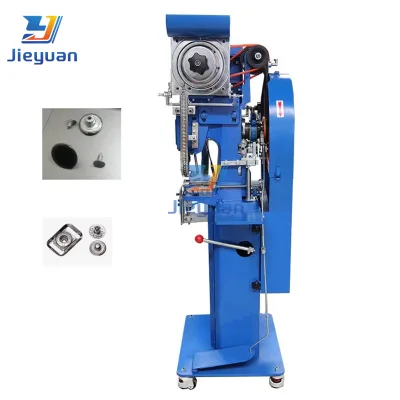


Comprehensive Sourcing Guide
Automatic Button Attaching Machine Sourcing Guide
Procuring an automatic button attaching machine requires careful evaluation of the specific fabric types and production volumes your facility handles. The observed market data indicates these units are designed for factory environments, specifically targeting the attachment of snaps and rivets to various materials with high efficiency. Buyers must verify that the machine's drive system, typically electric, aligns with their existing power infrastructure, which often operates at 220V and 50Hz.
The selection process should also account for the customization capabilities offered by different models, as some units support specific die configurations for unique snap sizes. While some listings suggest a throughput of 50 to 150 pieces per minute, actual performance depends on the material thickness and the specific mechanical setup. It is essential to confirm that the machine's throat depth and riveting stroke match the physical requirements of your garment or product assembly line before finalizing a purchase.
Product Scope and Observed Listing Signals
The current market for automatic button attaching machines presents a diverse range of models, each with distinct dimensional profiles and packing requirements. Buyers will encounter units ranging from compact designs to larger industrial frames, with dimensions varying significantly from approximately 600mm in width to over 1300mm in length. These variations often correlate with the machine's intended function, such as attaching male and female snaps or handling specific riveting strokes, necessitating a precise match between the equipment footprint and your available floor space.
Listing signals also reveal differences in packaging standards, with options including standard export cartons, solid wooden cases, or wooden crates depending on the model and shipping method. The observed net weights can range from roughly 95kg to over 150kg, which directly impacts logistics planning and freight cost calculations. When reviewing product listings, procurement teams should prioritize machines that explicitly state their origin and standard dimensions to ensure compatibility with your facility's receiving and installation protocols.
Technical Specifications to Verify
Technical due diligence must focus on the machine's operational parameters, particularly the attaching speed and the precision of its automatic feeding system. Data suggests that certain models can achieve speeds of up to 150 snaps per minute, while others operate at 100 per minute, a difference that significantly influences overall production capacity. Buyers should verify the specific punching control mechanism, such as foot pedal operation, to ensure it integrates smoothly with the operator's workflow and safety procedures within the factory setting.
Furthermore, the compatibility of the machine with different snap materials, including combinations of plastic and metal, is a critical technical consideration. The ability to accept customized dies allows for flexibility in handling various snap sizes, but this feature requires confirmation that the specific dies are available and compatible with the machine's model number. Verification of the power consumption and voltage requirements is also mandatory to prevent electrical incompatibility issues, ensuring the unit operates reliably at the standard 220V frequency expected in most industrial applications.
Compliance and Safety Documentation
Ensuring that the equipment meets international safety and quality standards is a non-negotiable aspect of the procurement process for industrial machinery. Many available models carry CE certification, which indicates compliance with European health, safety, and environmental protection standards. Buyers should request valid certification documents for each unit to confirm that the electrical components and mechanical guards meet the necessary regulatory requirements for operation in their target markets.
In addition to product-specific certifications, the manufacturer's adherence to quality management systems like ISO9001:2015 provides assurance regarding their production consistency and quality control processes. This documentation is vital for maintaining supply chain integrity and ensuring that the machine's construction and safety features are consistently maintained across batches. Procurement teams must verify that the safety features, such as the frame design and emergency stop mechanisms, are clearly documented and compliant with local occupational safety regulations.
Cost Drivers and Commercial Terms
The total cost of ownership for an automatic button attaching machine is influenced by several factors beyond the initial purchase price, including packaging, shipping, and weight. The observed data indicates that heavier units, weighing up to 157kg, often require more robust packaging solutions like solid wooden cases, which can increase freight costs significantly. Buyers should analyze the shipping dimensions and weight to calculate accurate logistics expenses, as these can vary widely depending on whether air, sea, or land transport is selected.
Commercial terms also involve the minimum order quantity and the availability of customization options, which can affect the final unit price. While some listings suggest a low entry point for ordering, the cost implications of custom dies and specific configurations must be factored into the budget. It is crucial to negotiate clear terms regarding the delivery lead time and the condition of the equipment, ensuring that the machine arrives in new, operational condition without hidden costs related to rework or additional parts.
Supplier Qualification and Quality Control
Evaluating the supplier's background and manufacturing capabilities is essential to mitigate risks associated with equipment failure and poor after-sales support. Buyers should prioritize suppliers who can demonstrate a history of producing machines in specific regions, such as Taizhou or other known manufacturing hubs in China, as this often correlates with established supply chains and technical expertise. Verifying the supplier's ability to provide detailed product specifications and model numbers ensures transparency and reduces the likelihood of receiving mismatched equipment.
Quality control measures should extend beyond the final inspection to include the supplier's internal processes for testing and assembly. The presence of certifications like CE and ISO9001 suggests a commitment to quality, but buyers should also request evidence of pre-shipment testing to confirm that the machine functions correctly before it leaves the factory. Establishing a clear communication channel for technical support and spare parts availability is equally important to ensure minimal downtime during the machine's operational lifecycle.
Long-Term Procurement Checks
Sustaining the performance of an automatic button attaching machine over time requires a proactive approach to maintenance and operational monitoring. Buyers should establish a routine schedule for inspecting critical components such as the automatic feeding system, punching controls, and the die assembly to prevent wear and tear from affecting production quality. Regular checks on the machine's efficiency, such as maintaining the target of 100 to 150 snaps per minute, help identify potential issues before they lead to significant production delays.
Additionally, long-term procurement strategies should include a review of the machine's adaptability to future production needs, such as changes in fabric types or snap sizes. The ability to customize dies and adjust settings ensures that the equipment remains relevant as product lines evolve. Procurement teams should also maintain a record of all technical specifications, certifications, and maintenance logs to facilitate troubleshooting and ensure that the machine continues to meet the original performance standards throughout its service life.
FAQs
What is the typical attaching speed for automatic button attaching machines?
The attaching speed varies by model, with some machines achieving 50 pieces per minute and others reaching up to 150 snaps per minute. Higher capacity models are designed for factory environments to maximize throughput. Buyers should select a speed rating that aligns with their specific production volume requirements and operational efficiency goals.
Can these machines handle different types of fabric materials?
Yes, these automatic machines are designed for pocket sewing on all kinds of fabric. They support various snap types, including plastic and metal combinations. The customization options allow for adapting to different material thicknesses, ensuring reliable performance across diverse textile applications in manufacturing settings.
What certifications are available for automatic button attaching machines?
Many models come with CE certification and ISO9001:2015 standards to ensure safety and quality compliance. These certifications indicate that the machinery meets international regulatory requirements for electrical and mechanical safety. Buyers seeking compliant equipment for global markets should verify these specific documentation details with suppliers before purchase.
How are automatic button attaching machines typically packaged for shipping?
Packaging methods include standard export packing, wooden crates, and solid wooden cases to protect the machinery during transit. Dimensions vary significantly based on the machine model, ranging from compact carton boxes to large crates measuring over one meter in length. Proper packaging ensures the equipment arrives safely at factory locations worldwide.
What is the power requirement for operating these machines?
Most automatic button attaching machines operate on a 220V, 50Hz electric power supply. This standard voltage ensures compatibility with common industrial electrical systems in many regions. The electric drive mechanism provides consistent performance for riveting and snapping tasks, making them suitable for continuous factory operations without complex power adjustments.
Are customization options available for snap sizes and dies?
Yes, customization is available for dies and snap sizes to meet specific product requirements. Machines can be configured to attach male and female snaps in various sizes. This flexibility allows manufacturers to adapt their production lines for different garment styles or accessory types without needing entirely new equipment setups.